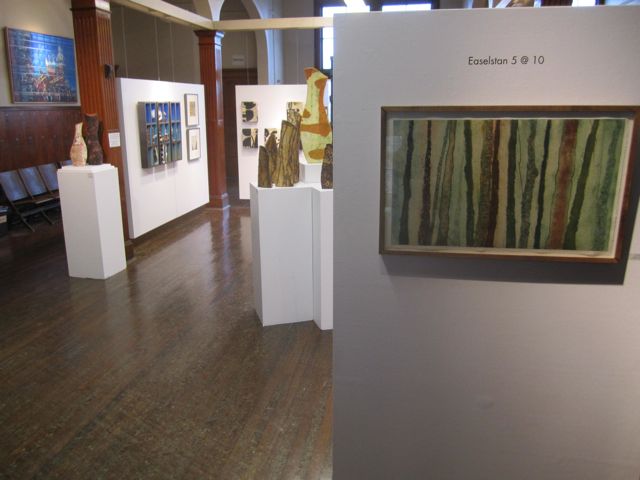
Easelstan Studio and my relationships with the other artists there has had a huge impact on the development of my artwork. The space is like a blank canvas, ready to reflect back what I put into it. My studio-mates sustain me, providing honest feedback and encouragement to take risks.
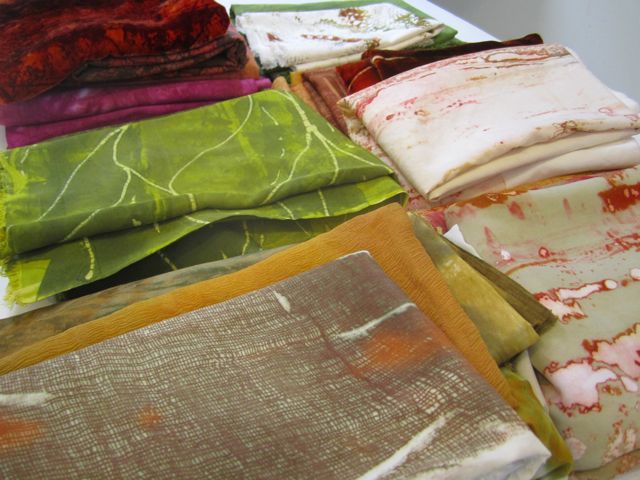
My work is informed by surface design on fabric. I begin with white natural fiber cloth which is dyed, overdyed, discharged, resisted, printed. Form and stitch are equally essential elements in the final artwork. Each piece in Easelstan 5 @ 10 represents a transition in my work over the last decade.
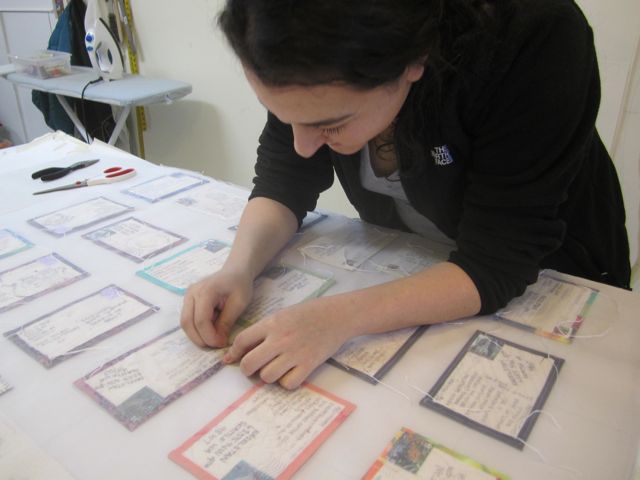
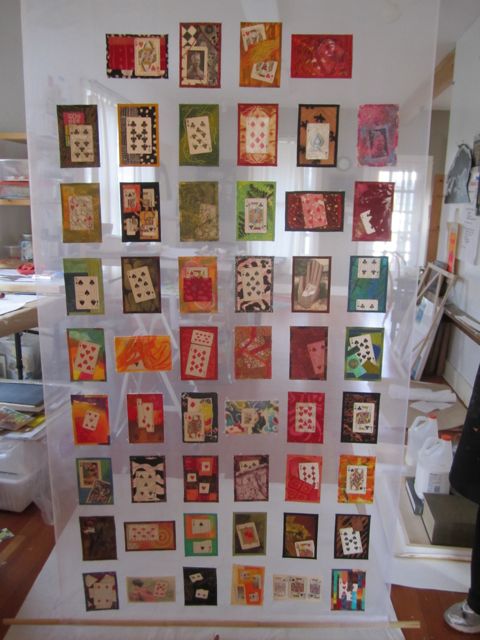
The earliest work here, postCARDS: 52 weeks, 52 cards, was created in 2006. The postcard quilts are sketches on a theme, each composition an amalgam of materials, techniques, and experiences. The playing cards provide rich inspiration for design and color as well as the structure for the series, a full deck in 52 weeks. The small format encourages experimentation with surface design and quilting techniques, and is also a yearlong journal in images and words traveling through the mail both away from and back to me.
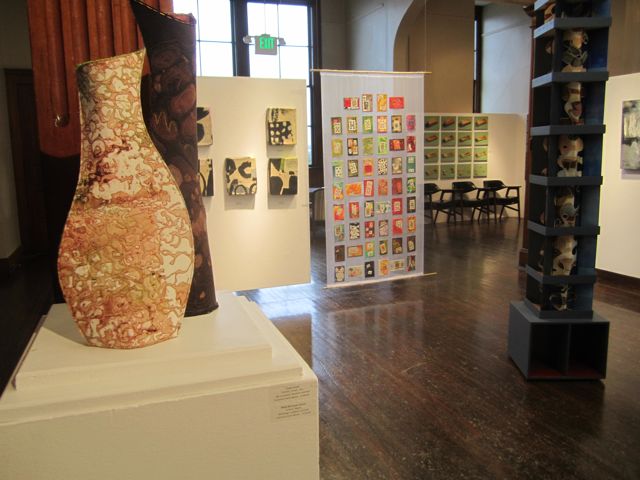
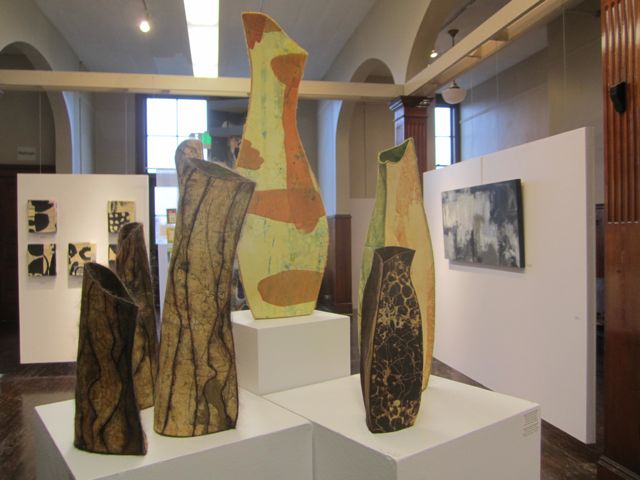
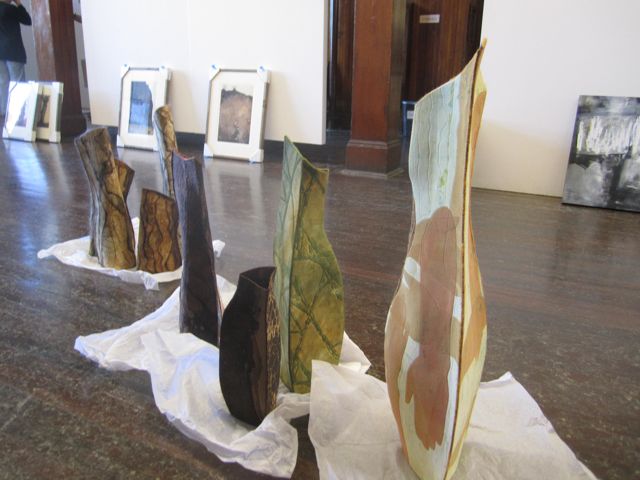
Epithelium, Coral Vessel, and Discharge Vessel, 2008, show my deepening explorations into surface design: Binding, stripping away, and rebuilding. The pieces, pushing into three dimensions, are some of the first I constructed using sculptural techniques I developed. Organic shapes suggest the natural world and become forms with a cultural meaning.
Earth Forms, 2009, and Artifacts, 2010 are from a body of work inspired by the landscape that surrounds us and the touch of human hands upon it. Each form is a document of the passage of time. The Earth Forms are a direct response to my experience of nature. The Artifacts interpret natural forms and textures through the lens of culture.
Can I Help You? is part of a larger installation, The Act of Becoming, from 2009. The figure is used to explore that which is seen and that which is kept close to the skin. The Waitress, the Mother, the Lover: all of these roles play a part in a woman’s life, fragmentary and coexisting.
The newest work, Grasses, extrapolates on the idea of the quilt. It is a beginning, featuring the print on fabric as a stand alone element and emphasizing it with stitch. Grasses shows my continuing interest in natural forms and textures contextualized through our agrarian past. We can focus on a single blade of grass in the expanse of a field for just a moment before it is lost among the many. The cycles of sowing and reaping sustain us as we work in balance with the Earth.
Each work in this show is a snapshot of my development as an artist, from the refining of my craft to the leap from two dimensions into three. So much of our work as artists is mundane, putting in the hours at the studio so that we are there, ready, when inspiration strikes. Easelstan has provided a place where Anna, Paul, Pam, Anne, and I can do that work. We come together in our daily meditations and experimentations, learn from each other, and share our trials and successes. When Anne moved to Los Angeles this Fall it was a loss to our small community. We miss her greatly, but working together on this anniversary show has brought the four of us closer. Looking into the past gives us a chance to reflect and reassess our work, ready for the next ten years.
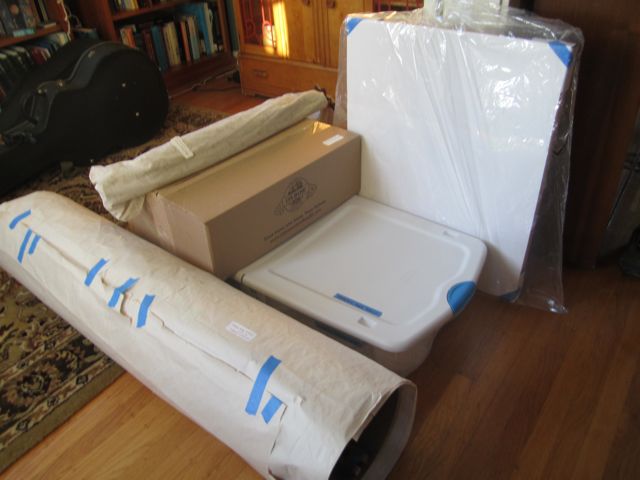
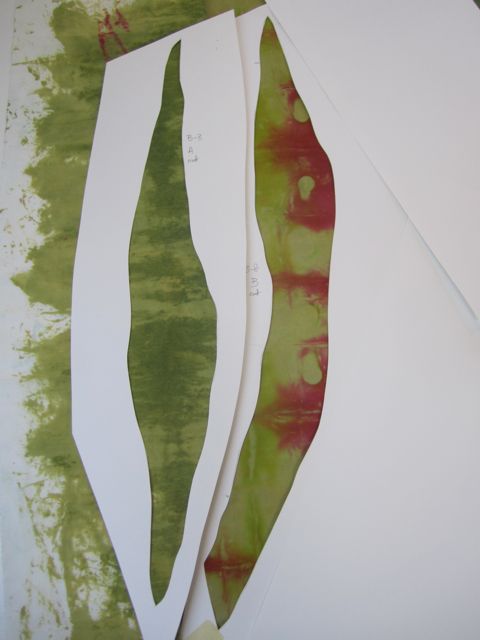
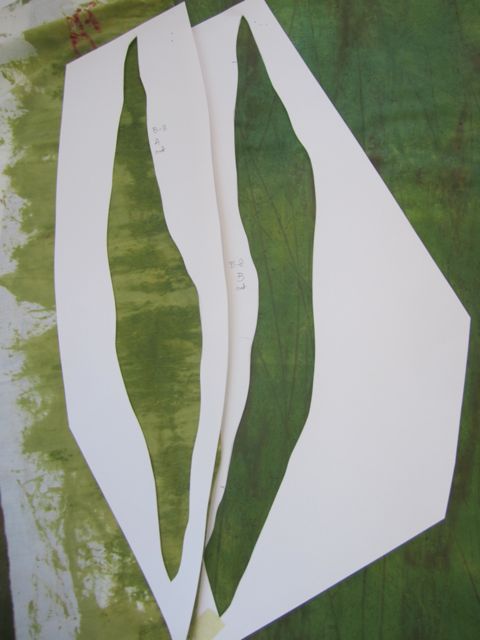

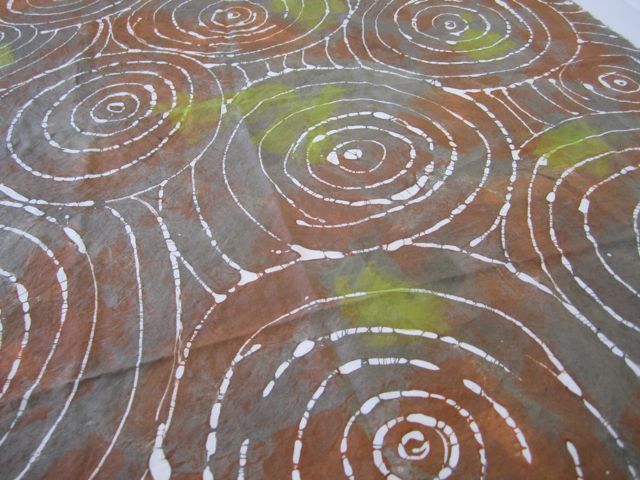
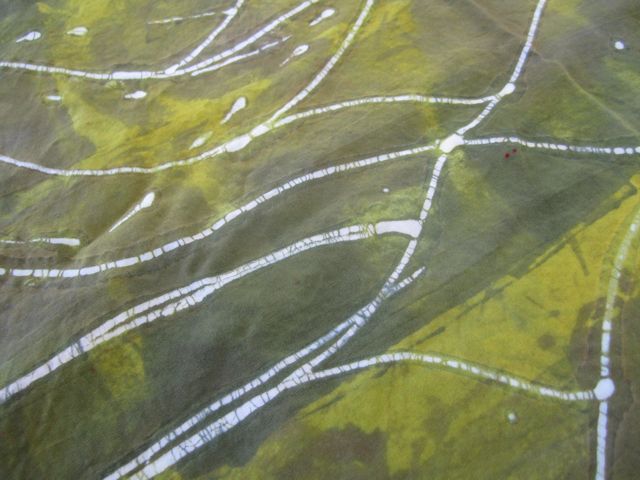
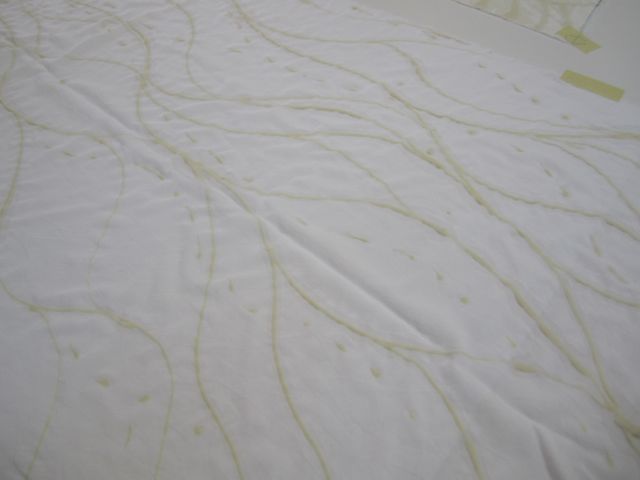
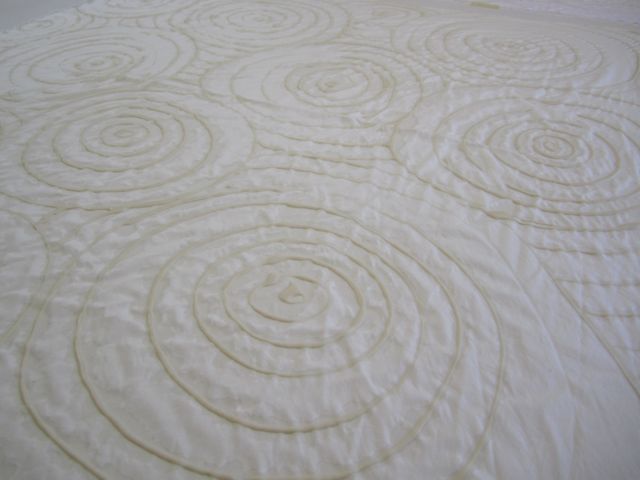

 I’ve been working, working, working and sewing, sewing, sewing to finish some pieces for the April show. I’m taking three pieces off the photographer today and should have seven pieces finished by the end of the day tomorrow! Then it will be right back at it, no rest for the weary, although I am going to fit in a pedicure somehow.
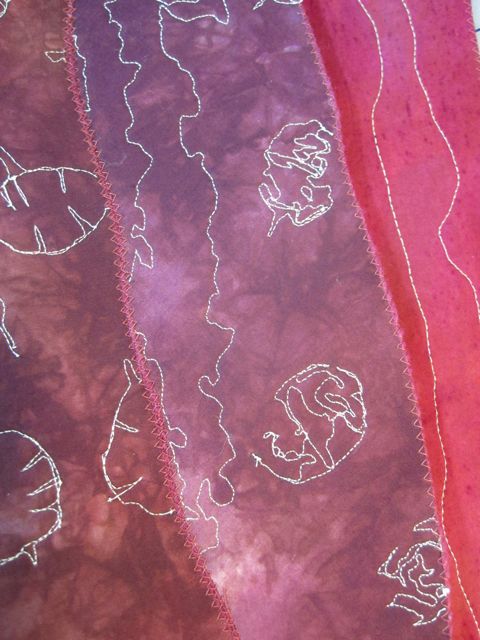
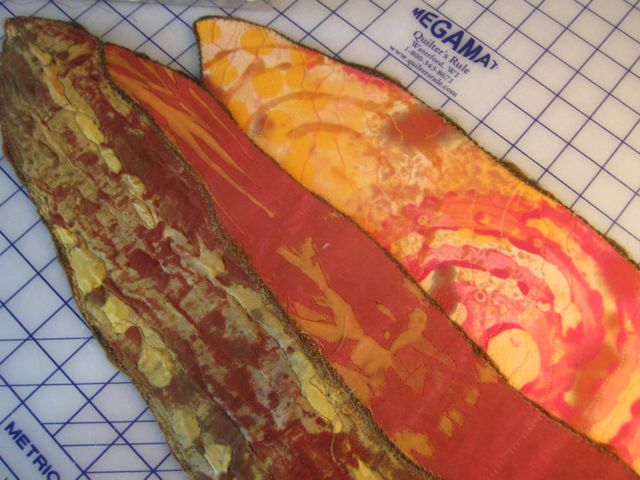
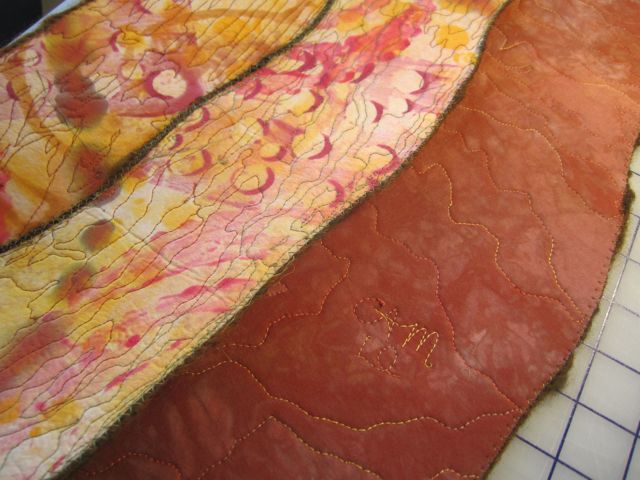
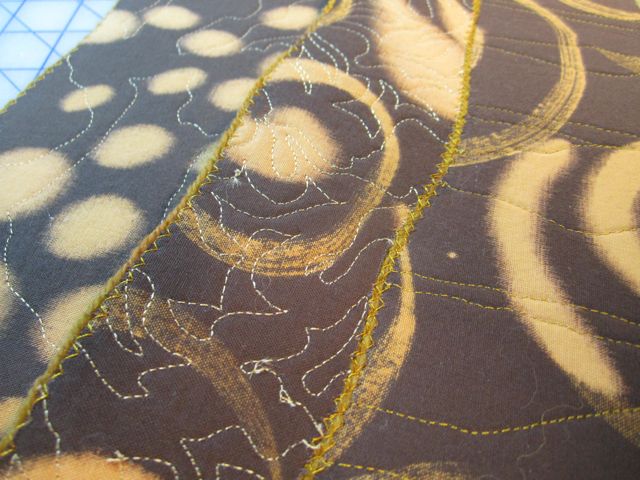
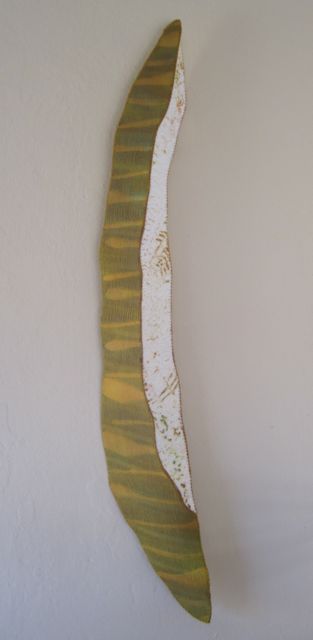
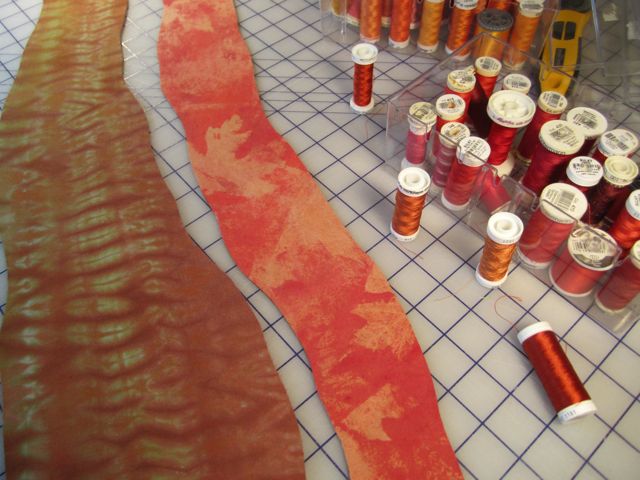
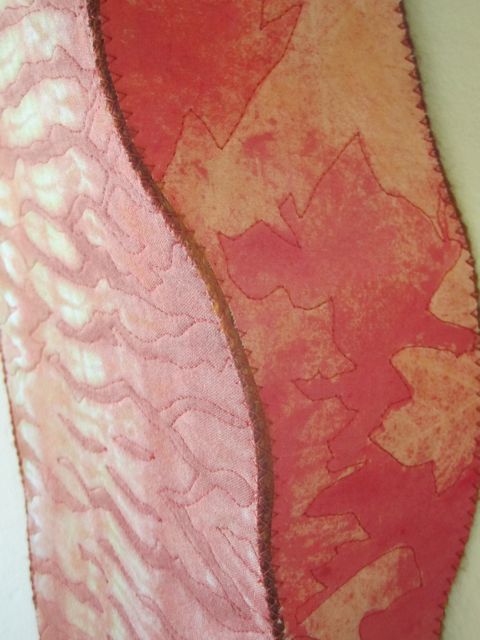
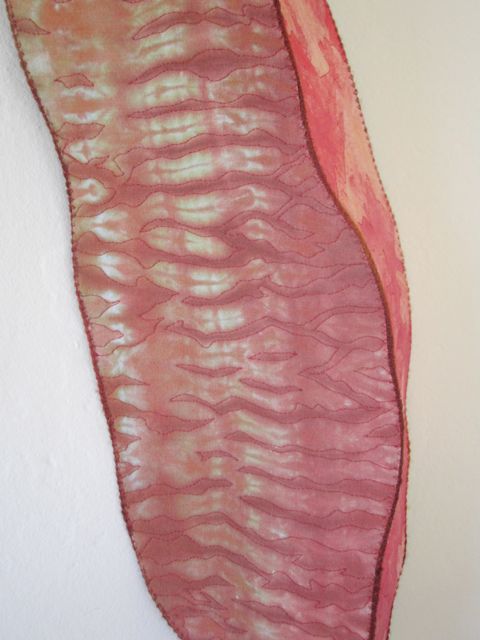
 This is Blade #4 in its final stages of construction. In the top photo the panels are ready for stitching and I’m auditioning thread colors on my work table.This photo shows the inside of the piece before I sew it together. I like to take photos of the inside of the panels after they are stitched but before I sew the panels together. I like that there is this secret, unseen part of the piece and try to keep it at the same level of craftsmanship as the outside. I think of the idea of the beauty of our secret inner selves that shines through our skin.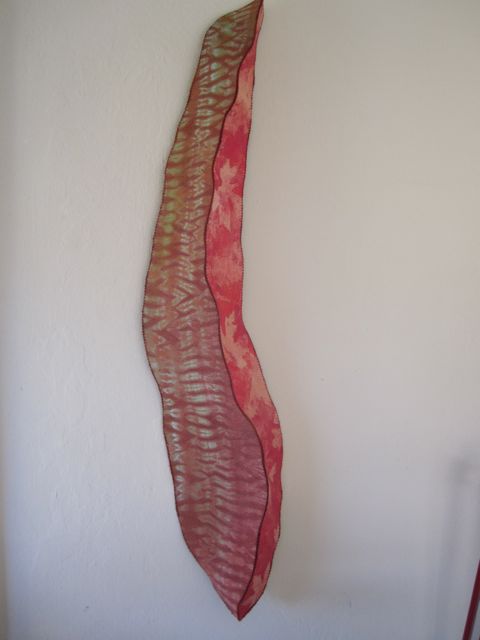
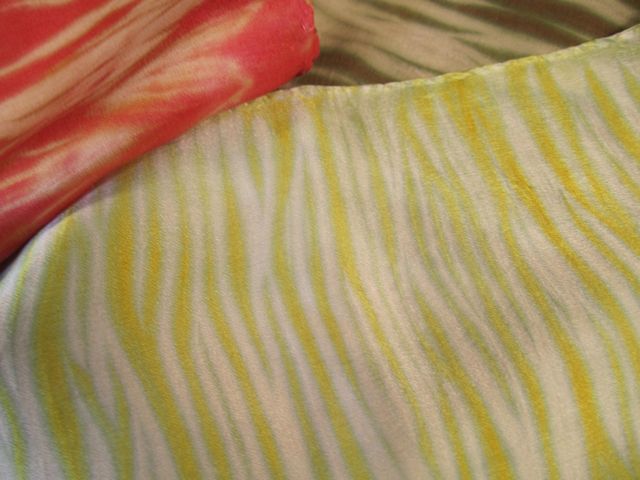
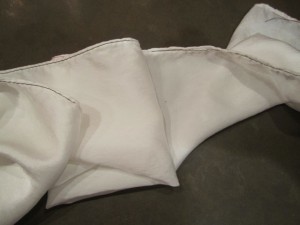
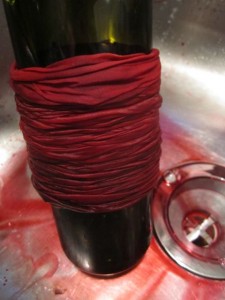
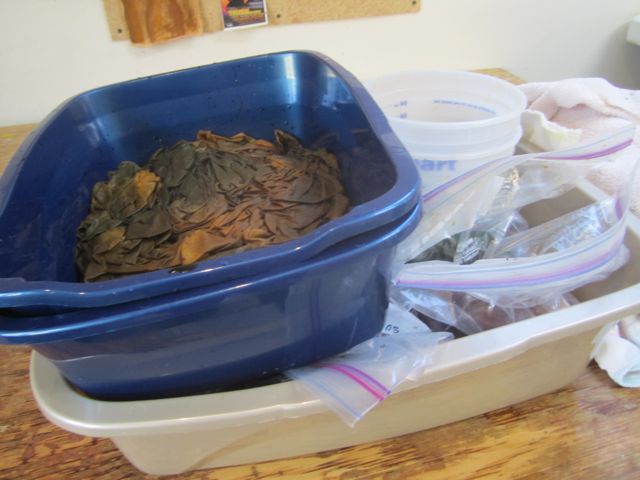
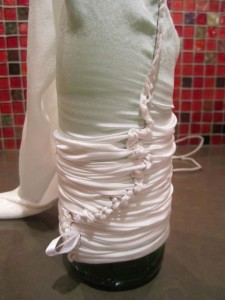 It can be a tight fit depending on the size of the bottle. Wearing rubber gloves helps to add traction when getting the tubes onto the bottles. Wetting the fabric helps it to compress as tightly as possible to get the best line definition.